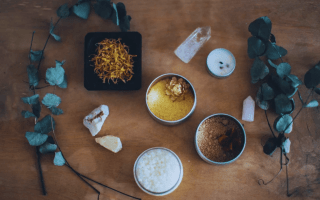
With the arrival of August, we welcome Lughnasadh, a festival that signifies the start of the harvest season. This ancient celebration, rooted in Celtic tradition, is all about giving thanks for the abundance that the earth provides. It’s a time to gather with loved ones, reflect on the year’s work, and enjoy the fruits of our labour through Lughnasadh rituals.
The traditions of Lughnasadh have evolved over centuries, but the core themes remain the same. Communities would gather to share food, play games, and honour the harvest gods. Today, these celebrations can take many forms, from communal feasts to personal rituals that connect us with the rhythms of nature. Whether you’re a seasoned practitioner or new to this path, Lughnasadh offers a rich tapestry of customs and activities that can bring a deeper sense of connection and gratitude into your life.
Today we’ll explore the rich traditions of Lughnasadh and how you can incorporate them into your celebrations. Whether you’re interested in creating an abundant feast, setting up a harvest altar, or performing personal rituals of gratitude, there are many ways to honour this time of year. Let’s look at how we can bring the spirit of Lughnasadh into our homes and hearts.
The Significance of Lughnasadh.
Lughnasadh is traditionally celebrated on the first day of August, marking the midpoint between the summer solstice and the autumn equinox. It is a festival of gratitude and abundance, a time to honour the earth’s bounty and give thanks for the first fruits of the harvest. The holiday is named after Lugh, the Celtic god of light and craftsmanship, who was honoured with games and feasts.
The Grain Harvest.
At the heart of Lughnasadh is the grain harvest. In ancient times, this was a crucial period when communities would gather the first ripe grains, ensuring food security for the coming months. Today, we can still honour this tradition by baking bread, making corn dollies, or creating altars with grains and seasonal produce.
Modern Celebrations.
Modern Lughnasadh celebrations can vary widely, from elaborate rituals and feasts to simple acts of gratitude. Some might choose to participate in communal activities, such as sharing a meal with loved ones or volunteering at a local food bank. Others, like myself, may prefer solitary rituals, such as meditative walks in nature or personal offerings to deities associated with the harvest.
Lughnasadh Rituals for Abundance.
Creating a Harvest Altar.
Setting up a Lughnasadh altar is a beautiful way to honour the season. You can read more about Lughnasadh and Lammas altars here where I explore the symbols, colours, and tools to help you create your harvest altar.
Incorporating Seasonal Foods.
We all know I love to cook, so for me, Lughnasadh is a wonderful time to enjoy the season’s freshest produce. Incorporate seasonal fruits and vegetables into your meals, such as berries, corn, squash, and tomatoes. The bountiful harvest can inspire a variety of delicious dishes that celebrate the earth’s abundance. Consider making traditional dishes like cornbread, berry pies, and vegetable stews to share with your friends and family.
Seasonal Recipes.
Try your hand at making a hearty vegetable stew using fresh butternut squash, tomatoes, carrots, and potatoes. This comforting dish not only nourishes the body but also symbolises the richness of the harvest. I also have a recipe for a butternut risotto with goats cheese which perfectly captures the flavours of autumn. Another excellent option is a berry traycake – I find that baking is always more fun as the seasons change.
For a more hands-on activity, you could consider making your own corn bread. This traditional Lughnasadh food is simple to prepare and can be enhanced with additions like jalapeños, cheese, or herbs. Serve it warm with butter or honey for a special treat.
Community Feasts.
Sharing a meal with others is a another fun way to celebrate Lughnasadh. Host a potluck feast where everyone brings a dish made from seasonal ingredients. This not only fosters a sense of community but also honours the spirit of abundance and sharing.
Planning Your Feast.
Start by inviting friends and family to join in the celebration. Create a list of seasonal ingredients and dishes, and encourage each guest to bring something that incorporates these elements. This could include fresh salads, roasted vegetables, fruit platters, or homemade breads and desserts. By sharing the preparation and enjoyment of these meals, you strengthen bonds and create lasting memories.
In addition to the food, consider incorporating other elements of celebration into your feast. Set up a communal altar or table setting where everyone can place a small offering, such as a piece of fruit or a flower. This shared space can serve as a focal point for gratitude and reflection.
Harvesting Herbs.
Lughnasadh is also the perfect time to harvest herbs for magical use, or for your kitchen. Common herbs associated with this festival include basil, mint, rosemary, and thyme. You can dry these herbs for later use, create herbal teas, or make incense sticks for cleansing rituals.
Harvesting Tips.
When harvesting herbs, remember to do so with care and respect for the plants. Choose a dry, sunny day for harvesting, and always use sharp scissors or pruning shears to avoid damaging the plants. Harvest in the morning after the dew has dried but before the heat of the day sets in.
Once you’ve gathered your herbs, you can dry them by hanging them in small bundles in a warm, dry place with good air circulation. This method helps preserve the herbs’ flavour and medicinal properties. You can also use fresh herbs to make teas, tinctures, or culinary dishes, adding a touch of seasonal magic to your cooking.

Lughnasadh Rituals for Personal Growth.
Reflection and Planning.
As the first harvest festival, Lughnasadh is a time for reflection and planning. Reflect on the goals you set at the beginning of the year and assess your progress. Consider what you have achieved and what still needs your attention. This reflection can guide you in setting new intentions for the remainder of the year.
Create a Quiet Space: Find a comfortable, quiet space where you won’t be disturbed.
Gather Supplies: You will need a journal, pen, and any personal items that help you focus, such as crystals or candles.
Reflect on the Year: Write down the goals you set at the beginning of the year. Reflect on what you have achieved and what challenges you have faced.
Assess Progress: Identify areas where you have made significant progress and areas that need more attention.
Set New Intentions: Based on your reflection, set new intentions for the coming months. Write these intentions in your journal and keep them in a place where you can revisit them regularly.
Setting Intentions.
Set intentions for the coming months by creating a vision board or writing them down in a journal. Focus on areas where you want to see growth and abundance, whether in your personal life, career, or spiritual practice. Visualising these goals can help manifest them into reality.
Gather Supplies: You will need a journal, pen, and any materials for a vision board, such as magazines, scissors, and glue.
Create a Vision Board: Cut out images and words from magazines that represent your intentions and goals. Arrange them on a board and glue them in place.
Write in Your Journal: Write down your intentions in a journal, being as specific as possible about what you want to achieve.
Visualise Your Goals: Spend a few minutes each day visualising your goals as if they have already been achieved. This can help reinforce your intentions and keep you focused on your path.
Cleansing and Renewal.
Cleansing rituals are particularly potent during Lughnasadh. Clean your home, your altar, and your personal space to remove any stagnant energy. Use natural cleaners, incense, or essential oils to purify your environment and invite fresh, positive energy.
Prepare Your Space: Declutter and organise your space, removing any items that no longer serve you.
Natural Cleaners: Use natural cleaners, such as vinegar and water, to clean surfaces. Add a few drops of essential oils like lavender or lemon for a fresh scent.
Saining: Light an incense stick made of herbs like lavender or rosemary and walk through your space, allowing the smoke to cleanse the area.
Refresh Your Altar: Clean and refresh your Lughnasadh altar with new items, such as fresh flowers, candles, and seasonal decorations.
Grounding Exercise: After cleansing, spend a few moments grounding yourself with a meditation or simple breathing exercise.
Connecting with Nature.
Nature Walks.
Take a walk in nature to connect with the earth and the season’s energy. Notice the changes in the landscape, the changing leaves, the ripening fruits, and the shifting colours. This mindful connection can deepen your appreciation for the natural world and the cycles of life.
Choose a Location: Find a local park, forest, or nature reserve where you can walk.
Dress Comfortably: Wear comfortable clothing and shoes suitable for walking.
Walk Mindfully: As you walk, pay attention to the sights, sounds, and smells around you. Notice the changes in the landscape and the abundance of nature.
Collect Natural Items: If allowed, collect small natural items like leaves, stones, or flowers to use in your rituals or as reminders of your walk.
Reflect on Your Experience: After your walk, take a few moments to reflect on your experience and how it has connected you with the season.
Offering to the Land.
Make an offering to the land as a way of giving thanks for the harvest. This can be as simple as leaving some bread or grains in a natural spot or creating a small outdoor altar. Offerings can also include flowers, herbs, or other natural items that resonate with you.
Select a Location: Find a natural spot that feels special to you, such as a forest clearing, a riverbank, or your garden.
Prepare Your Offering: Choose natural items for your offering, such as bread, grains, flowers, or herbs.
Create an Altar: If you wish, create a small altar with stones or other natural materials.
Make the Offering: Place your offering on the altar or directly on the ground. Speak a few words of gratitude for the abundance you have received.
Leave Respectfully: Leave the area respectfully, taking care not to disturb the natural environment.
Meditation and Grounding
Ground yourself with a meditation focused on the earth’s energy. Sit or stand barefoot on the ground, close your eyes, and visualise roots extending from your body into the earth. Feel the stability and nourishment the earth provides, and allow this energy to fill you with a sense of balance and abundance.
Find a Quiet Spot: Choose a quiet outdoor spot where you can sit or stand comfortably.
Remove Shoes: If possible, remove your shoes to connect directly with the earth.
Close Your Eyes: Close your eyes and take a few deep breaths to centre yourself.
Visualise Roots: Visualise roots growing from the soles of your feet, extending deep into the earth. Imagine these roots anchoring you firmly to the ground.
Feel the Energy: Feel the stability and nourishment of the earth flowing up through the roots, filling your body with a sense of balance and abundance.
Grounding Affirmation: Repeat a grounding affirmation, such as “I am grounded and connected to the earth’s energy.”
Incorporating Craftwork.
Making Corn Dollies.
Creating corn dollies is a traditional Lughnasadh craft. These small figures, made from corn husks or wheat stalks, are symbolic of the grain harvest and can be used as decorations or ritual tools. Making corn dollies can be a meditative and creative way to honour the season.
Form the Body: Take a few husks and tie them together at one end to form the head. Bend the husks over at the tied end to create the head shape.
Shape the Torso: Use more husks to wrap around the head and form the torso, tying with string to secure them.
Create the Arms: Take two husks and fold them in half lengthwise. Tie them together in the middle to form the arms. Insert these through the body husks just below the head and secure with string.
Form the Skirt: Use additional husks to create the skirt by spreading them out and securing them around the torso with string.
Finishing Touches: Trim any excess husks and adjust the shape of the doll to your liking. Allow the corn dolly to dry completely before placing it on your altar or using it in rituals.
Creating Harvest Wreaths.
Harvest wreaths made from twigs, leaves, and seasonal flowers can adorn your home and Lughnasadh altar. These wreaths symbolise the circle of life and the bounty of the harvest. You can personalise them with items that hold special meaning for you.
Gather Supplies: You will need a wreath base (such as a wire frame or grapevine), twigs, leaves, flowers, and any other seasonal decorations.
Prepare the Base: Attach the twigs and leaves to the wreath base, securing them with floral wire or string.
Add Decorations: Add flowers, berries, and other decorations, arranging them evenly around the wreath.
Secure Everything: Make sure all items are securely attached to the base.
Hang the Wreath: Hang your finished wreath on your door, wall, or altar.

Final Thoughts.
Lughnasadh is a time of gratitude, reflection, and connection with the earth. Celebrating this festival can bring a sense of fulfilment and abundance into your life. These Lughnasadh rituals and traditions are a reminder of the cyclical nature of life and the importance of honouring the gifts we receive from the earth.
As I look back on my own Lughnasadh celebrations over the years, I am filled with a deep sense of gratitude for the abundance in my life. These rituals have not only connected me with the rhythms of nature but have also provided a space for personal growth and reflection. Each year, I look forward to this time of year, knowing that it brings an opportunity to reconnect with the earth and my own intentions.
I encourage you to explore your own Lughnasadh rituals and traditions and find what resonates with you. Whether you choose to bake bread, create a harvest altar, or simply spend time in nature, may your Lughnasadh celebrations be filled with abundance, gratitude, and joy.